

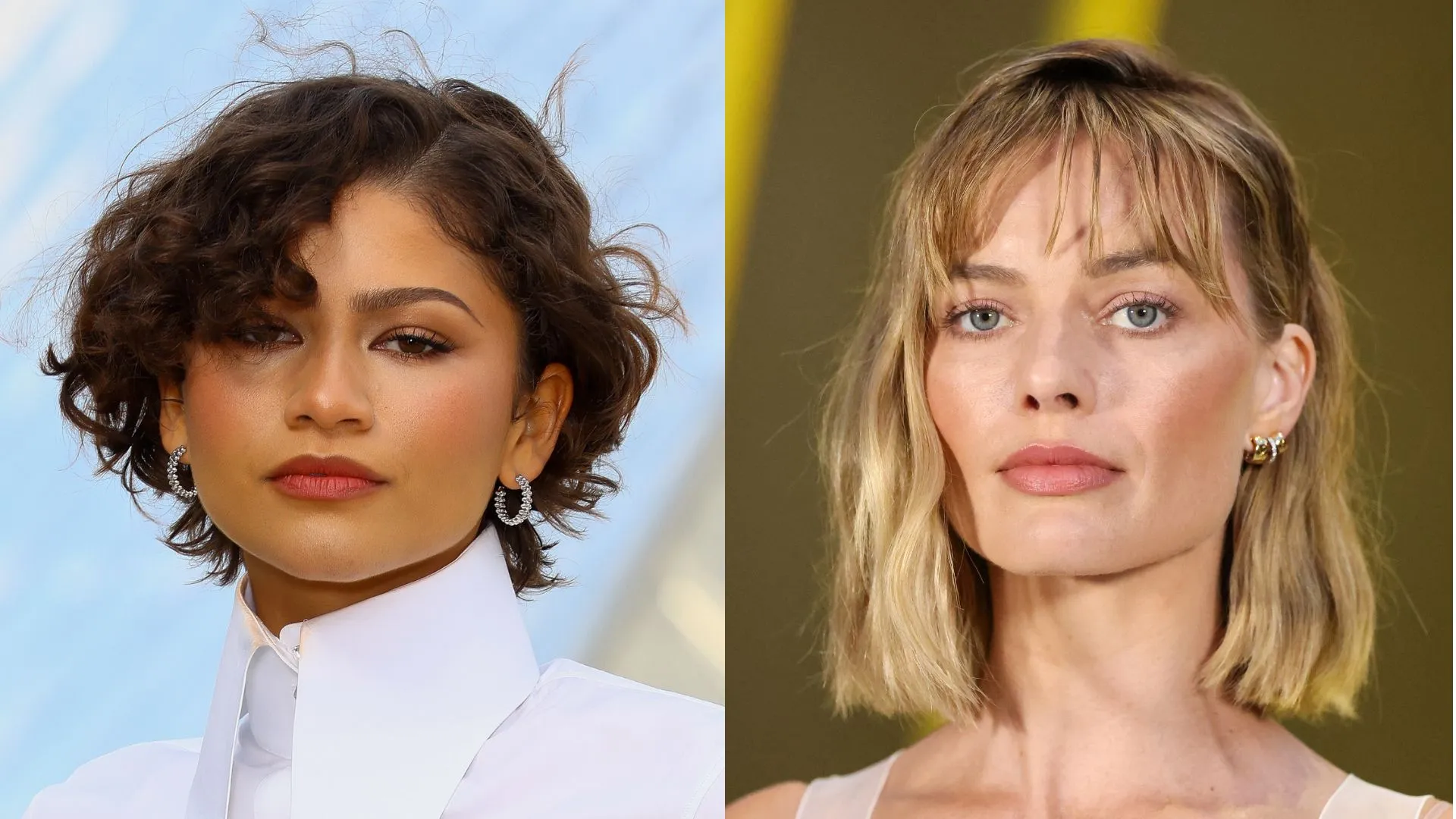

How to Know if a Bob Haircut is Right for You
Will a bob haircut work for my specific face shape and hair texture, or will I regret the daily styling commitment? This is the most common question clients ask when they are ready to shed some length. The short answer is that a bob is one of the most versatile cuts available, but the success of the look depends entirely on tailoring the weight, length, and layers to your individual needs.
A bob is defined as a haircut that typically falls between the ears and the shoulders. Because it is a precision cut, it can be customized to frame your features or provide more volume to fine hair. However, before you commit, it is important to understand the different variations and the maintenance they require to stay looking sharp in the Woodbridge area humidity.
Understanding Your Options: Short Bob vs. Long Bob
The short bob haircut usually hits at or above the jawline. This is a bold, high-fashion choice that can accentuate the jaw and cheekbones. It is often preferred by those with fine to medium hair who want to create the illusion of thickness. The trade-off is that very short bobs often require more frequent trims—typically every 4 to 6 weeks—to maintain the precise line.
The long bob haircut, often called a “lob,” typically rests near the collarbone. This is a popular choice for those who are nervous about a dramatic change because it still allows for most ponytails or updos. It works well for almost every hair type, including those with thick or curly textures, as it provides enough weight to keep the hair from becoming too “puffy.” If you are interested in adding more movement to this length, you might consider a layered haircut to remove bulk and add texture.
Maintenance and Daily Styling Realities
A bob is rarely a “wash and go” style if you are looking for a sleek, polished appearance. Depending on your hair’s natural texture, you may need to invest in a round brush, a flat iron, or specific smoothing products. In Northern Virginia, humidity can often cause shorter cuts to expand, so it is worth discussing how your natural texture will react to the shorter length.
For those with naturally wavy or frizzy hair, maintaining the smooth look of a bob may be easier with professional assistance. You may want to explore our hair treatments and texture options to see if a smoothing service would complement your new cut. Alternatively, embracing a “french bob” or a messy, textured bob can work with your natural wave, reducing your morning styling time significantly.
Questions for Your Consultation
When you visit Beyond Studio, your stylist can help you decide which version of the bob haircut best suits your daily routine. Here are a few questions you should consider asking during your consultation:
- Given my natural hair texture, how much heat styling will I need to do daily?
- Where should the length hit to best complement my face shape?
- Do I have any cowlicks or growth patterns that might cause the hair to “flip” at this length?
- Would a blunt edge or a textured, feathered edge better suit my hair density?
It is also helpful to bring photos, but keep in mind that the density and texture of the hair in the photo may differ from your own. A professional stylist will use these as a reference to create a version that works specifically for you.
Next Steps for Your New Look
Deciding to go for a bob is an exciting change that can refresh your entire style. Whether you are looking for a sharp, blunt statement or a soft, lived-in lob, the right cut requires a focus on both technique and your lifestyle needs. Beyond the cut itself, many clients find that a new shape is the perfect time to reconsider their color to highlight the new layers and movement. Explore our options for haircuts and color to see how we can help you achieve your desired look and confirm which techniques are best suited for your hair type.


